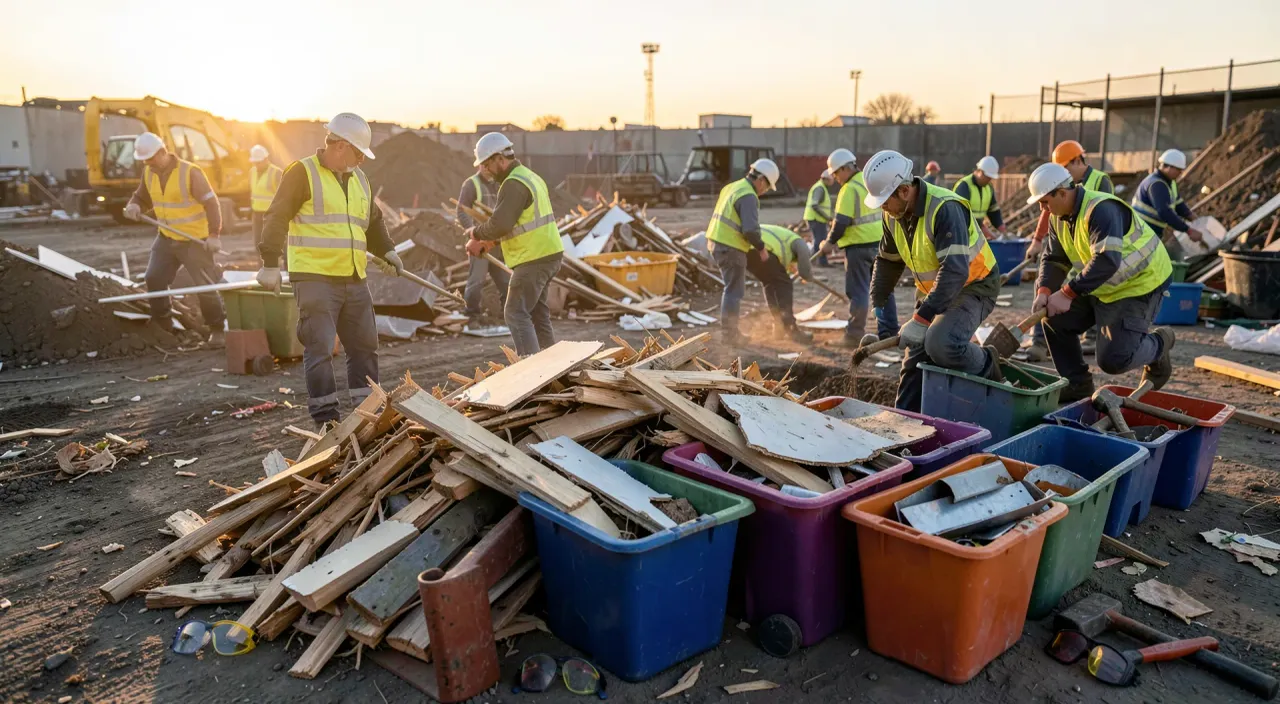

When it comes to construction, whether you're building a new structure or renovating an existing one, debris removal is often the last (but certainly not least) task on your list. After all the hammering, drilling, and possibly some impromptu interpretive dance moves with a sledgehammer, it’s time to tackle the aftermath. But how do you prepare for construction debris removal without feeling like you’re about to embark on a scavenger hunt? Fear not! This guide will help you navigate the maze of debris with ease and maybe even a chuckle or two.
Understanding Construction Debris
Before diving into the nitty-gritty of preparation, let’s clarify what we mean by construction debris. This term encompasses a wide range of materials, including:
- Wood scraps
- Concrete and masonry
- Metal pieces
- Plastics
- Drywall
- Insulation
- Hazardous materials (think old paint or asbestos)
Knowing what types of debris you’re dealing with will help you strategize your removal plan. So grab your hard hat and let’s get started!
Assessing the Debris
Inventory the Materials
The first step in preparing for construction debris removal is to conduct a thorough inventory. Walk through your construction site and take note of the different types of materials you’ll be dealing with. This will help you determine whether you need specialized services or if you can tackle it yourself.
Classifying the Debris
Once you’ve listed what you have, it’s time to classify it. Here’s a quick rundown of categories you might consider:
-
Reusable Materials: These could be items that are still in good condition, like doors or fixtures. They can be donated or sold.
-
Recyclable Materials: Items like metal, wood, and concrete can often be recycled. Check your local recycling regulations to see what can be accepted.
-
Hazardous Waste: Don’t try to handle hazardous materials on your own. Call professionals who specialize in the removal of these items. Remember, safety first!
Creating a Removal Plan
Now that you have a better understanding of what you’re dealing with, it’s time to create a removal plan. Think of it as your construction debris battle strategy-because who wouldn’t want to feel like a general in a waste management war?
Choosing the Right Disposal Method
You have several options for debris removal:
-
DIY Disposal: If you’re dealing with small amounts of debris, you might opt to rent a dumpster and handle the disposal yourself. Just make sure to check local regulations regarding what can and cannot be thrown away.
-
Hiring a Professional Service: If the debris is substantial or hazardous, it’s best to call in the pros. Look for a waste removal service that specializes in construction debris. They’ll have the expertise and equipment to handle it safely.
Setting a Timeline
Time is of the essence! Make sure to set a timeline for your debris removal. Coordinate this with your construction schedule to ensure that removal doesn’t delay your project. After all, we all want to avoid the “construction zone” look lingering for months, right?
Preparing the Site
Safety First
Before any debris removal begins, ensure that your site is safe. This includes:
-
Wearing appropriate personal protective equipment (PPE) such as gloves, helmets, and masks.
-
Ensuring all tools and equipment are in good condition and ready for use.
-
Making sure the area is clear of hazards that could cause accidents during the removal process.
Organizing the Space
Clear pathways and create designated areas for different types of debris. This will make the removal process smoother and speedier. Think of it as creating a mini assembly line-efficient and organized!
The Removal Process
Executing the Plan
When the day arrives for debris removal, stick to your plan. Here’s a quick checklist to keep you on track:
- Confirm your disposal method and location.
- Ensure all personnel are briefed and equipped.
- Start with the heaviest items first, working your way down to lighter materials.
Pro tip: If you’re feeling overwhelmed, just remember the wise words of Winston Churchill: “Success is not final; failure is not fatal: It is the courage to continue that counts.”
Keeping It Clean
As you go through the removal process, keep the area tidy. This not only improves safety but also makes the entire operation feel less chaotic. Plus, nothing says “I’ve got my life together” like a clean worksite!
Post-Removal Check
Once the debris has been cleared away, take a moment to breathe a sigh of relief. You made it through! But don’t forget to do a final check:
- Inspect the site for any remaining debris.
- Ensure all materials have been disposed of correctly.
- Review your inventory to see if anything reusable was missed.
Embracing the Clean Slate
With the debris gone, you can finally appreciate the clean slate before you. It’s like standing in front of a blank canvas, ready to create something amazing. Whether it’s a new home, office, or artistic masterpiece, the possibilities are endless.
Looking Ahead
Preparation is key to successful construction debris removal. By understanding your materials, assessing the situation, creating a solid plan, and executing it with diligence, you’ll have a clearer path forward.
So, as you step into your newly cleaned space, remember: the only thing left behind should be your brilliant ideas and maybe a few construction jokes. After all, laughter is the best tool in the toolbox!